Seventy-six years. One family. Still answering the door.
Concept Family construction company: homes, towers and restorations in Dubai, London and Karachi
The brief
Qadir & Sons is a family construction company that started in Karachi in 1950 with one hand-dug well, opened its head office in Dubai in 1985 and now builds homes, towers and restorations in Dubai, London and Karachi. Its visitors are home buyers, landowners and investors who want to know who they are dealing with before they talk money. The site was built to show them the family, the craft and the buildings still standing, and to put them in touch with a Qadir in one step.
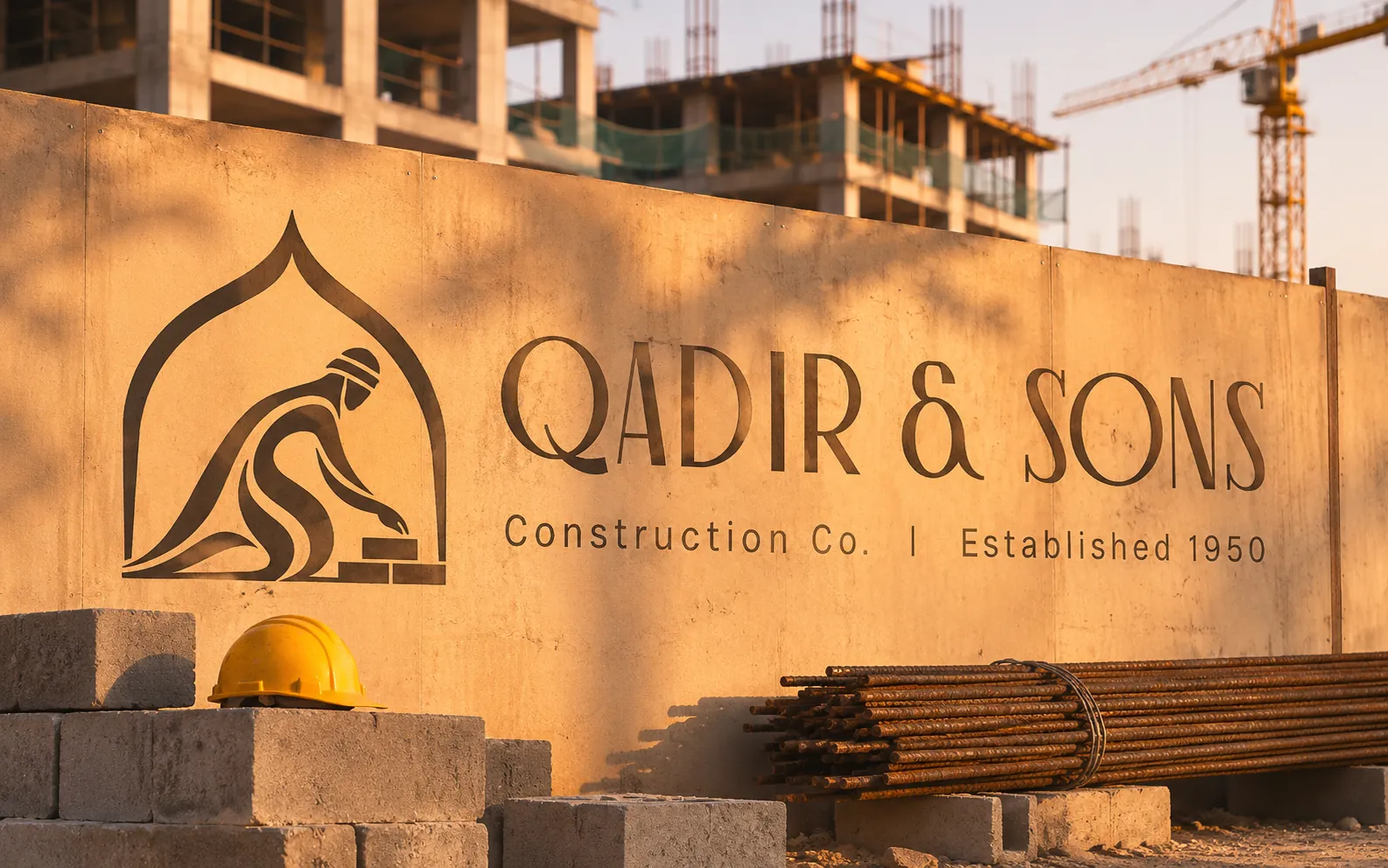
Every enquiry is answered by a Qadir.
In numbers
- the year of the first well, where the story and the preloader begin
- 1950
- cities on one map: Dubai, London and Karachi
- 3
- projects, each with its own photo story
- 12
- WebGL effects written for this site
- 13
What: homes, towers and restorations, with their own stone workshop
How: one family, the founder signing off every drawing, his sons running the sites
Who: home buyers, landowners and investors in Dubai, London and Karachi
Interactions
The drawing is a promise. The stone keeps it.
Decisions
The family before the floor plan
The founder and his sons appear on the home page, the About page and in the menu, because in this market the name behind the building is the real decision.
Motion made of materials
Sand, stone slices, lattice shadows and developing prints replace generic fades, so every effect belongs to a construction company and nobody else.
An enquiry, not a full-screen form
The enquiry window opens from the corner and keeps the page visible behind it, so asking a question never feels like leaving the site.
History told in gestures
Instead of long text, the story is a timeline you scroll sideways and an album that fans open, so a visitor gets 76 years in a few seconds.
Details
- The preloader's year counts up to the current year on its own, so it never needs updating
- Every page transition uses one curtain shape morphed by GSAP, so it rises and lifts with a smooth curve and no flicker
- WebGL effects are created only while their section is on screen and destroyed after, keeping long pages light
- The hero slider's transition (sand, ripple or slices) is a setting in the editor, not a code change
- Background images can be repositioned separately for desktop, tablet and phone
- The logo is one SVG used everywhere through a sprite, so the header, footer, menu and preloader share a single file
Development note
- One engine, thirteen effects
- All WebGL on the site runs through one small engine that starts each effect when its section comes into view and removes it when it leaves, so the hero, menu, works ring and album never compete for the graphics card.
- Edited on the page itself
- Every section can be changed, reordered, hidden per device or added from the on-page editor, with live preview, undo and phone and tablet views, behind a two-factor login.
Built with
How it’s built
Custom PHP CMS
Your platform, your choice
Designed once, built on the platform you sell.
Every design here can be built on the platform your client already uses, and fully working: product pages, cart and checkout, forms, bookings and an editable CMS. Motion and effects are adapted to what each platform supports, so nothing breaks after launch.
- Shopify (Liquid)
- WordPress + Elementor
- Webflow
- Framer
- Wix
- React / Next.js
- Custom PHP (Folio)
 Next case studySwapDropA swap you can watch: coins roll through one gate and come out better.
Qadir & Sons
A website for Qadir & Sons, a construction family building homes, towers and restorations across Dubai, London and Karachi since 1950. It shows the finished buildings, the ones going up now and the people behind them, and turns every visit into an enquiry answered by a member of the family.
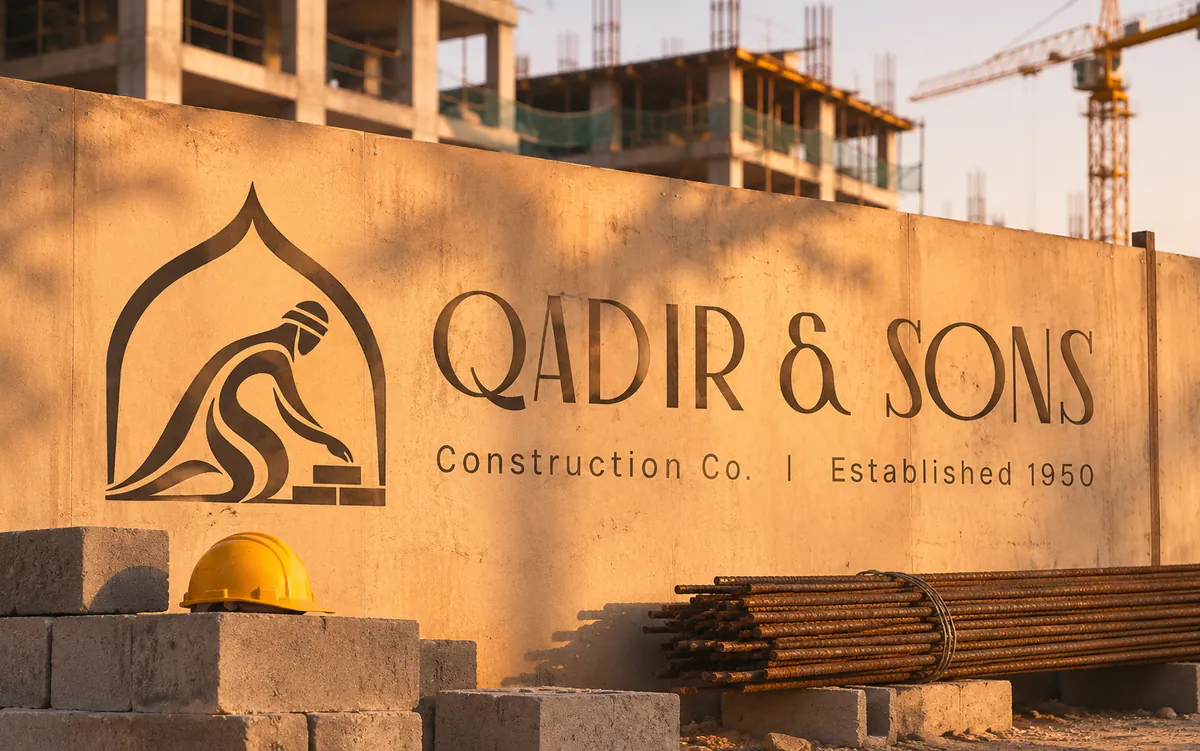
- A sand preloader where the logo draws itself and the year counts up from 1950
- A WebGL hero slider with sand, water and stone-slice transitions
- A glass mega menu over a lantern-lit lattice wall with changing arch photos
- A rotating ring of completed works with a liquid photo transition
- A route map to Palm Crest that draws itself
- TypeSelf-initiated concept, designed and built end to end
What we did differently
Sell the family, not the floor plan. In construction, trust comes from who built it and whether it is still standing, so the site puts the founder, his sons and their finished buildings first, and keeps a direct line to the family on every page. The motion comes from the materials of the trade (sand, stone, lattice shadow, old prints) so it feels like part of the story rather than decoration, while small type and short sections keep the pages calm and quick to read.
Want this level for your client?
White-label or credited. Send the brief and I’ll reply within a day.